

Specialist Prosthodontist

Smile Makeovers

Cosmetic Dentistry

General Dentistry

Dental Implants

Oral Health Therapist
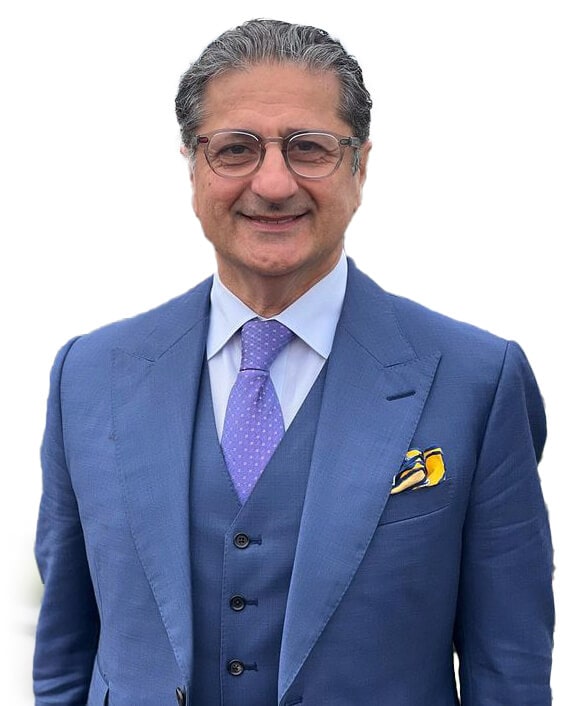
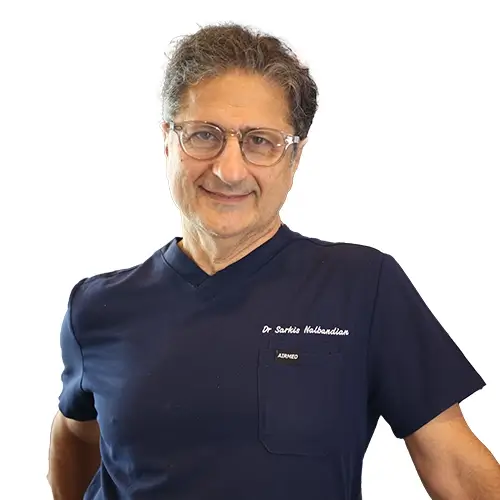
Dr. Sarkis Nalbandian
Specialist Prosthodontist and Implant Surgeon
B.D.S.(Hons), Dip. Clin. Dent. (Oral Implants), Uni. Syd., M. Clin. Dent. (Prosth) King’s College, Uni.London., D. Clin. Dent. (Prosth), Uni. Syd., FIADFE, FPFA, FRACDS, MRACDS(Prosth).
Dr Sarkis Nalbandian has extensive experience in dental implant reconstruction and implant technology. Such expertise includes dual training in implant surgery and implant-supported crowns, bridges, and dentures, as well as reconstructive dentistry, comprising all aspects of cosmetic and complex dental restoration. Dr Sarkis Nalbandian will outline minimally invasive treatment concepts available to improve your patient's dentofacial appearance.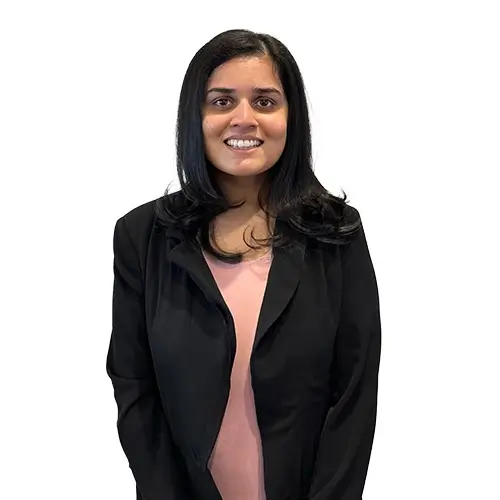
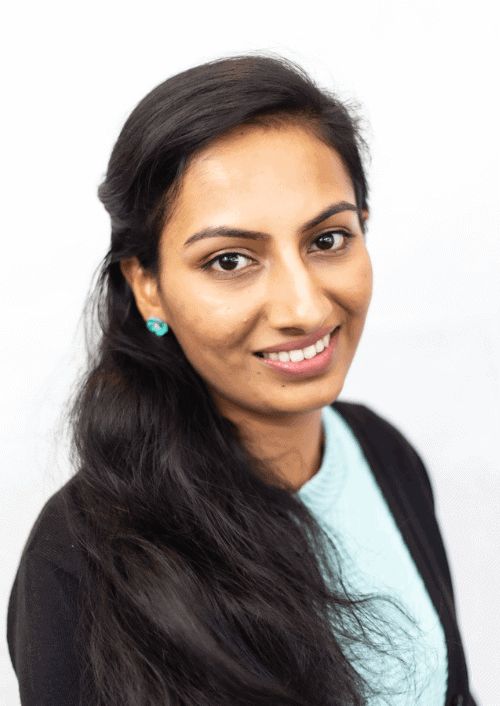
Dr. Natasha Koelmeyer
General Dentist
Doctor of Dental Medicine
Dr Natasha Koelmeyer is a General Dentist that graduated with a Doctor of Dental Medicine. She enjoys getting to know her patients, listening to their dental concerns and ensuring that her patients feel comfortable and relaxed. Natasha enjoys all aspects of dentistry particularly family and preventative dentistry. She regularly attends continual professional development courses which ensures she is up to date and able to provide the best care for her patients In her spare time, she coaches debating and enjoys painting.
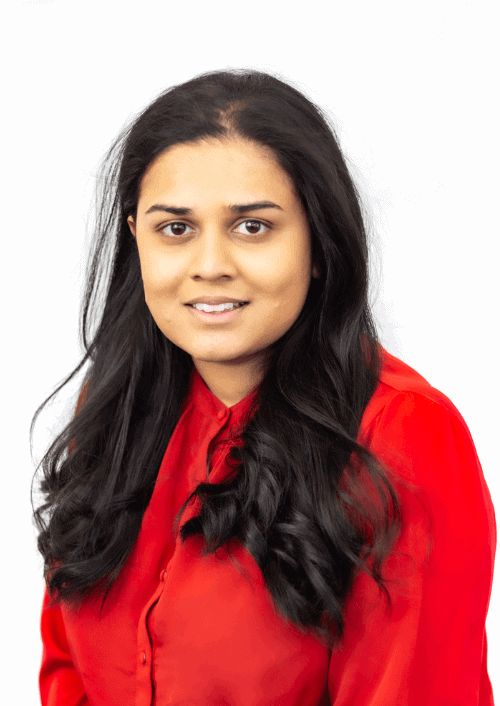
Dr. Radhika S R
Clinical Coordinator
Bachelor Of Dental Surgery (INDIA)
Radhika S R completed her Bachelor of Dental Surgery from a reputed dental college in India during 2008.
- After graduation she worked in a hospital and then joined Designer Smiles as a full time Clinical Coordinator in 2011.
- Radhika highly experienced in dentistry, caring and understanding of our patients needs.
- Dr Radhika is instrumental in managing and coordinating the specialist centre to the highest level of care.
- Radhika is highly experienced
- Radhika is a delightful human being. She is a right hand of Dr. Nalbandian.
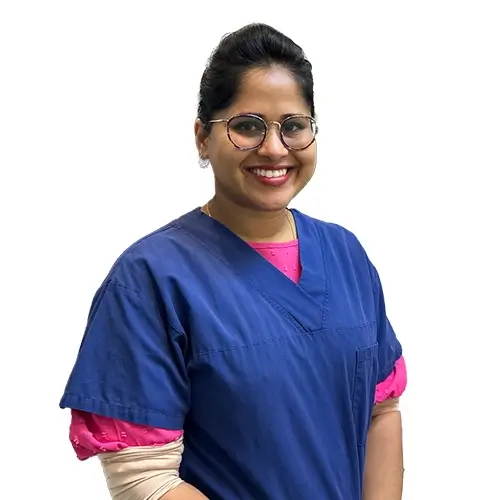
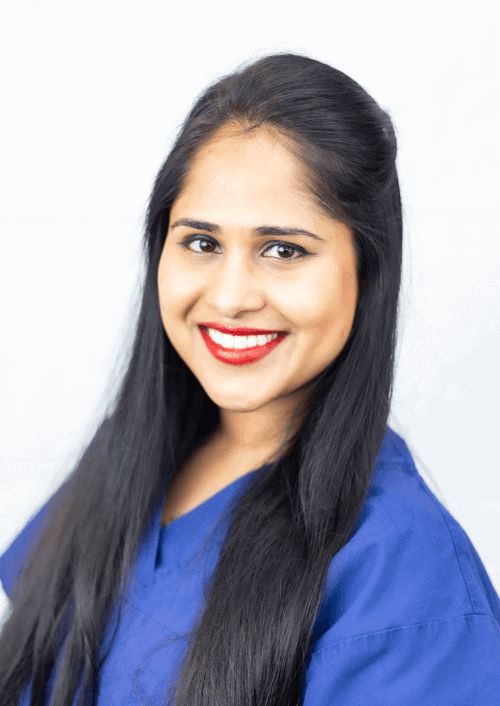
Kristy Gupta
Oral Health Therapist
Bachelor of Oral Health ( The University of Sydney) MEMBER: Dental Hygienists' Association of Australia
Kristy graduated from the University of Sydney in 2010 with a Bachelor of Oral Health. She is a registered Oral Health Therapist and a member of The Dental Hygienists’ Association of Australia.- She possesses qualifications as both a Dental Hygienist and Dental Therapist.
- Oral Health Therapists provide high quality care to children, adolescents and adults.
- Kristy is very passionate about oral health and the early detection and prevention of dental diseases, particularly periodontal (gum) disease. She has been specially trained to perform regular and preventative treatment and maintenance of the mouth, teeth and gums.